
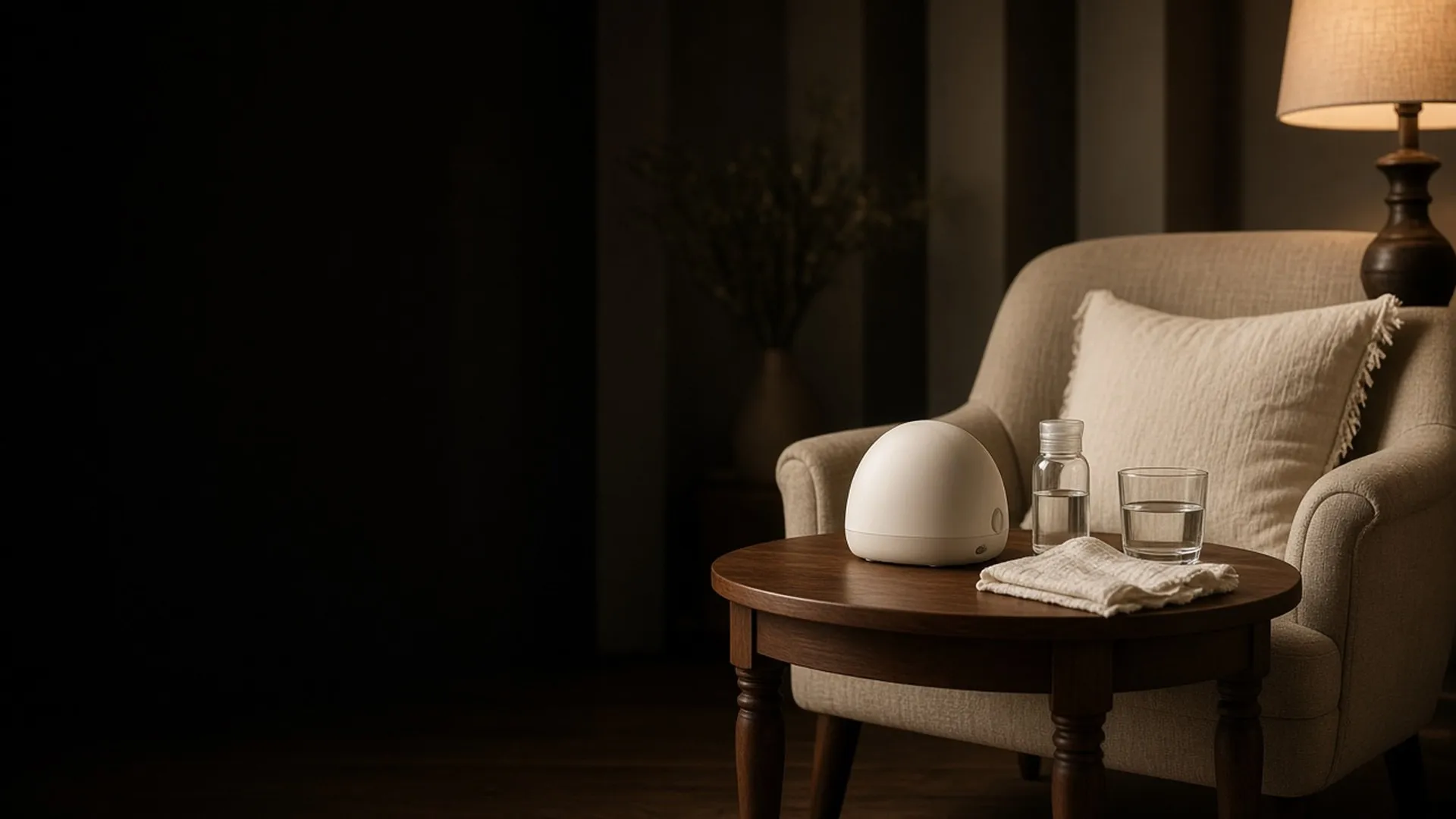
Using a breast pump, the basics
The manual, clean hands, comfort, and when to ask for help.
Disclosure: We may earn a commission if you buy through links on this page. It does not change our guidance. Affiliate Disclosure
Read the manual first
The FDA says it is a good idea to read through the entire instruction manual before using your pump for the first time. It says the manual can help you learn to assemble and use the pump, and should include the maker's contact information.
Clean hands, clean kit
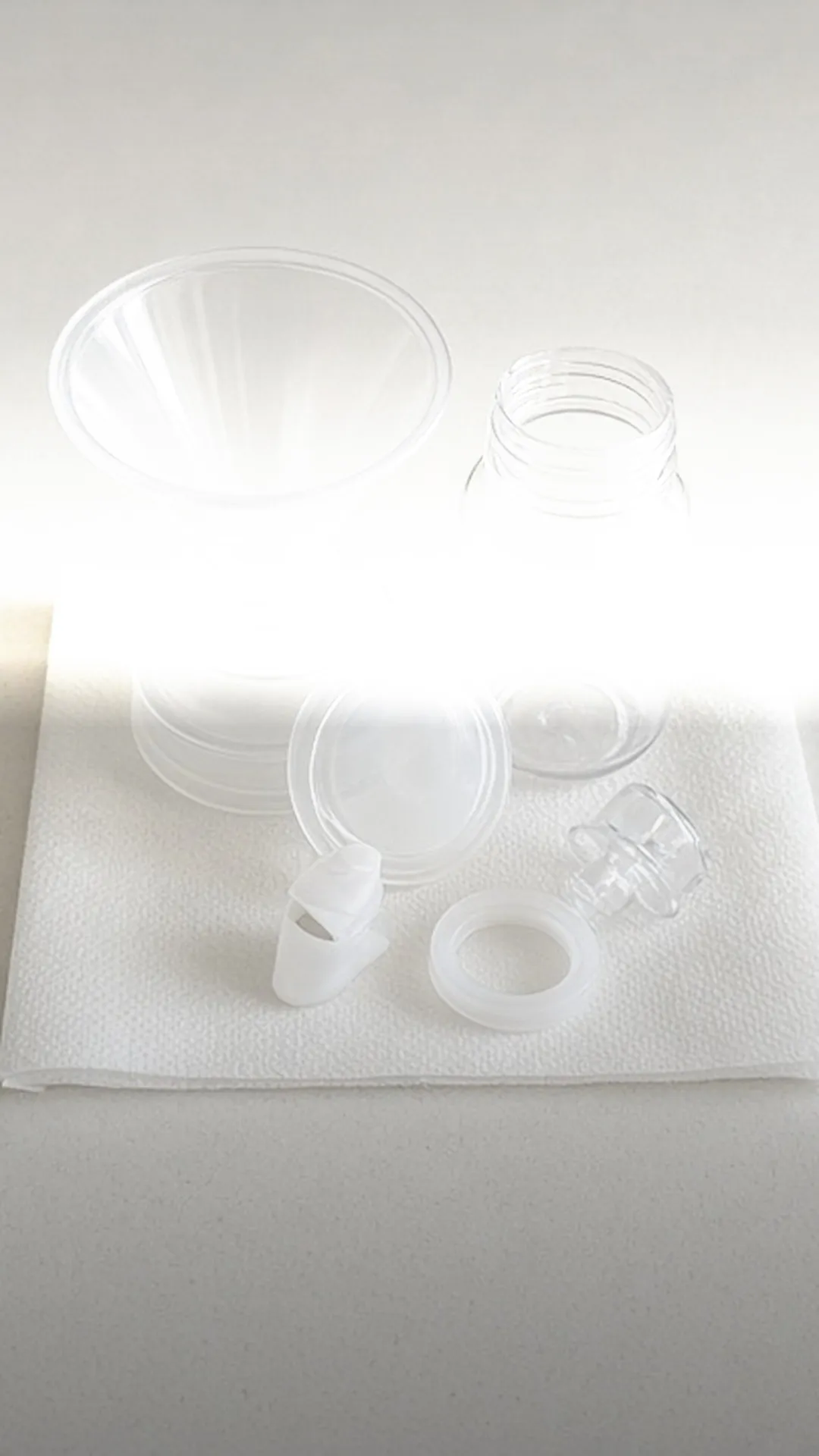
The CDC says to wash your hands well with soap and water for 20 seconds before each use. It says to inspect the pump kit and tubing, and to discard and replace moldy tubing immediately.
Settings and suction
The FDA says that on an electric or battery-powered pump, start at the lowest suction or speed setting, then adjust until you find one that is comfortable for you. Your manual lists the settings for your pump.
Comfort and fit
The FDA says your nipple should fit comfortably in the center of the breast shield opening. It says the first few times you pump may feel uncomfortable, but pumping should not be painful.
After pumping
The FDA says to label the bottle or bag with the date and time of pumping before you store it. The CDC says to place it right away in a refrigerator, freezer, or cooler bag with ice packs.
Who can help
We give no pumping schedules or milk supply advice. The FDA says a qualified health professional, such as a certified lactation consultant, can help determine the best pumping method for you, and that the amount of milk produced is different for everyone.
Sources: FDA, Using a Breast Pump (2018); FDA, Injury and Infection (2018); CDC, How to Clean and Sanitize Breast Pumps (2024); FDA, Breast Pumps (2018).
FAQ
General information only, not medical advice. For questions about pumping, breastfeeding, milk supply, or feeding your baby, talk to your doctor, midwife, or lactation consultant, or your baby's pediatrician. Follow the maker's instructions for your pump and its parts. The FDA says that if you are injured while using a breast pump or have pain, contact your health care provider. In an emergency, call 911.
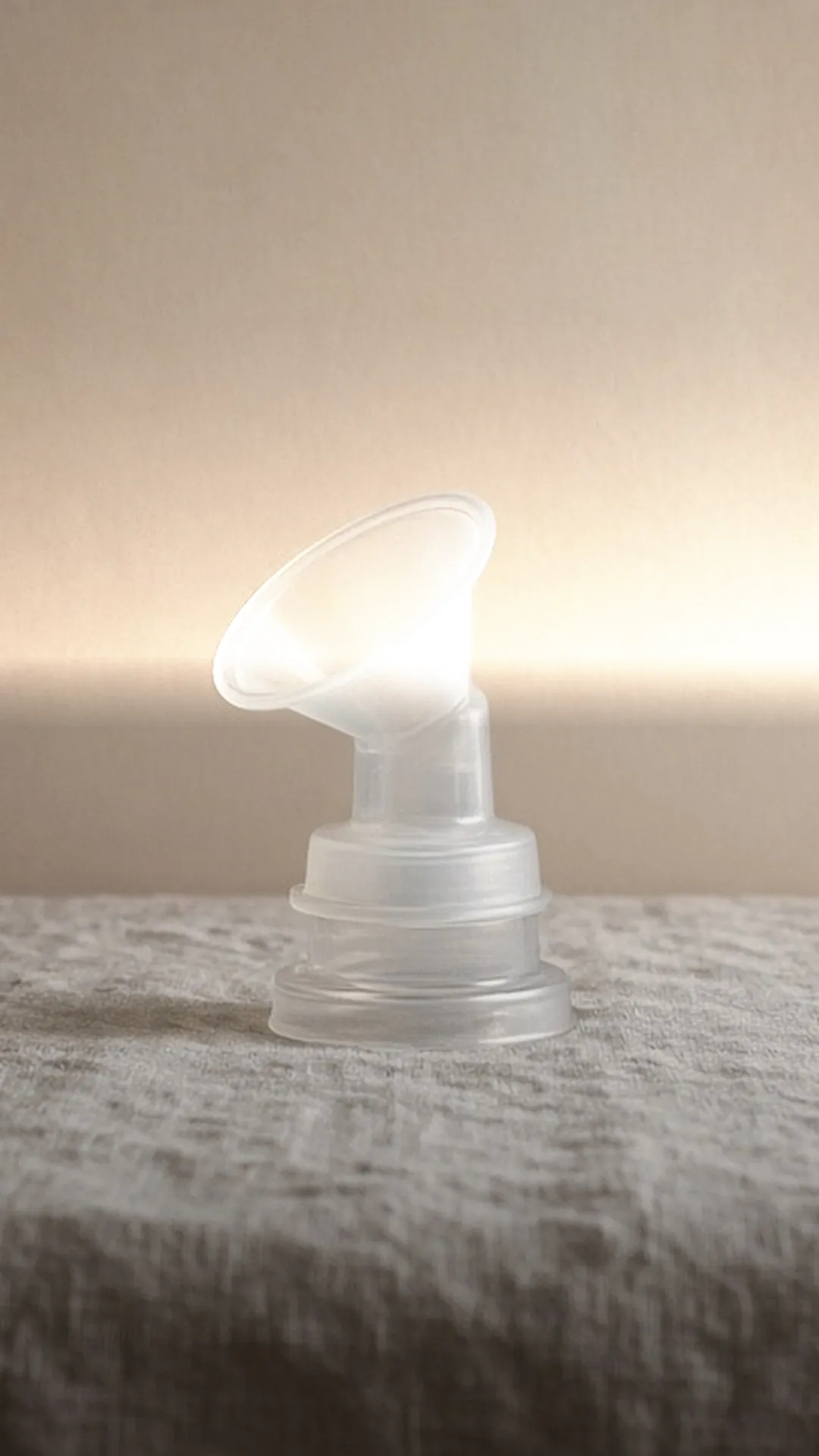

Next: flange fit
What fit means, and who can help.
