
Cleaning breast pump parts
What the CDC and FDA say to do after every use.
Disclosure: We may earn a commission if you buy through links on this page. It does not change our guidance. Affiliate Disclosure
Why it matters
The CDC says infants have become ill from contaminated milk due to bacteria growing on pump parts that were not cleaned properly. It says to clean parts that come into contact with breast milk as soon as possible after pumping.
The manual comes first
The FDA says to check your pump's instruction manual for the maker's cleaning method. The CDC says to follow the maker's instructions on whether to use a brush, because scrubbing may damage some parts.
Take it apart and rinse
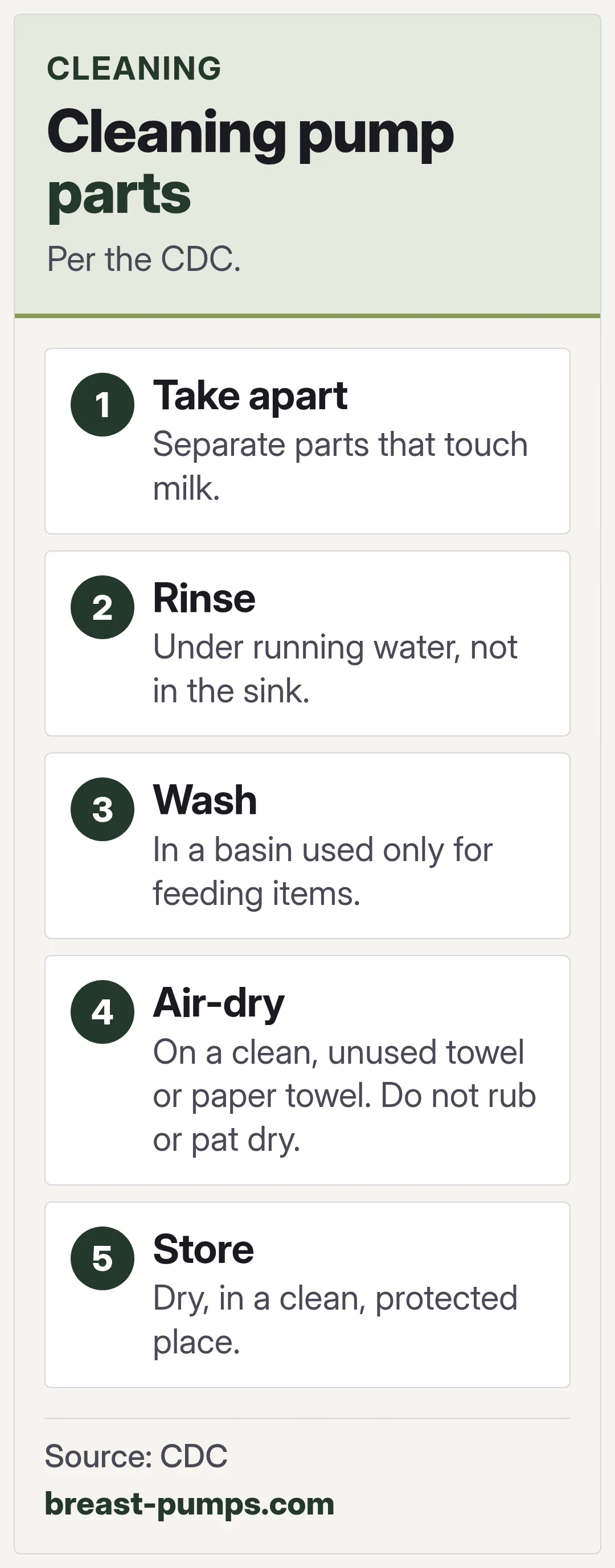
The CDC says to take apart the pump kit and separate all parts that touch breast milk. It says to rinse them by holding them under running water to remove remaining milk, and not to place parts in the sink to rinse.
Wash in a basin
The CDC says to wash parts in a clean wash basin used only for infant feeding items, with soap and hot water. It says you can use any soap intended for washing dishes, but not antibacterial soap.
Or the dishwasher
The CDC says you can clean dishwasher-safe parts in a dishwasher, with small items in a closed-top basket or mesh laundry bag. The FDA says to check your manual to make sure parts are dishwasher safe.
Air-dry and store
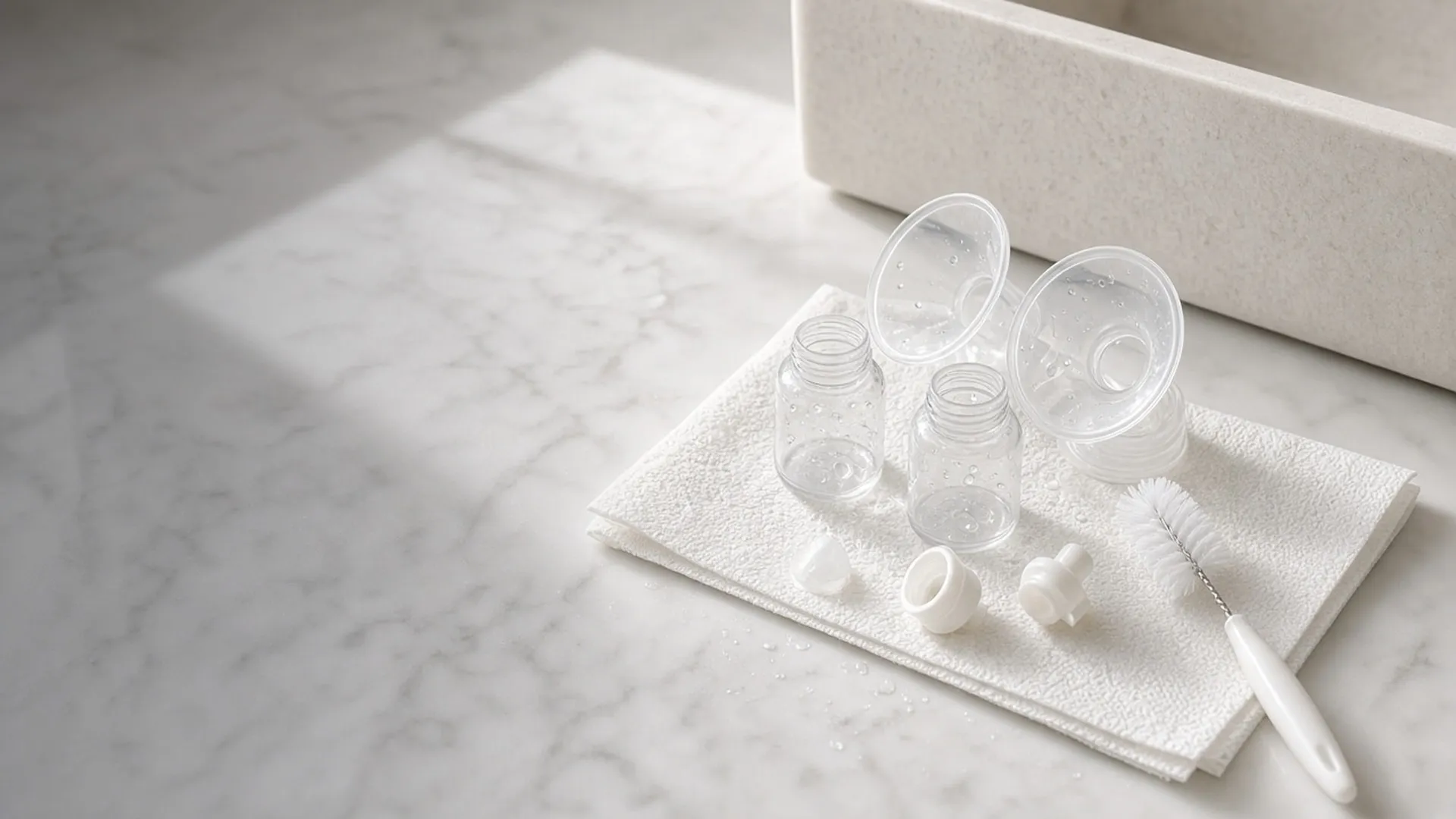
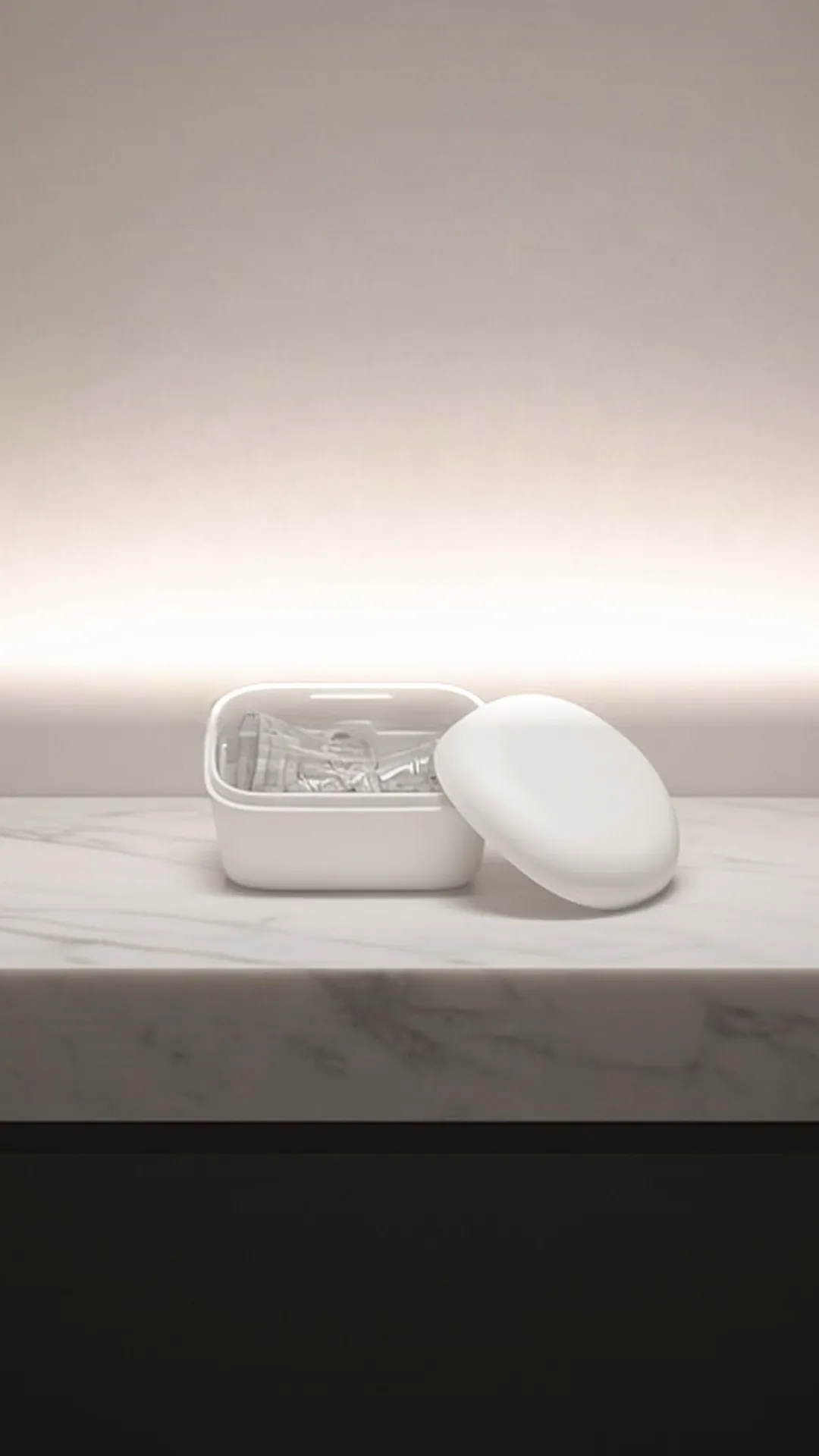
The CDC says to air-dry parts thoroughly on a clean, unused dish towel or paper towel, and not to use a dish towel to rub or pat them dry. The FDA says to air-dry parts on a clean paper towel or in a clean drying rack, and to avoid drying them with cloth towels. The CDC says to store the dry, reassembled kit in a clean, protected area, such as an unused, sealable food storage bag.
Wipes and the motor unit
The FDA says that even if you use pump wipes, parts that touch breast milk should still be cleaned with dishwashing soap and warm water. It says the electrical unit should be wiped down and never put into water or other liquids.
FAQ
General information only, not medical advice. For questions about pumping, breastfeeding, milk supply, or feeding your baby, talk to your doctor, midwife, or lactation consultant, or your baby's pediatrician. Follow the maker's instructions for your pump and its parts. The FDA says that if you are injured while using a breast pump or have pain, contact your health care provider. In an emergency, call 911.

Next: sanitizing parts
Steam, boil, or sanitize setting.
