
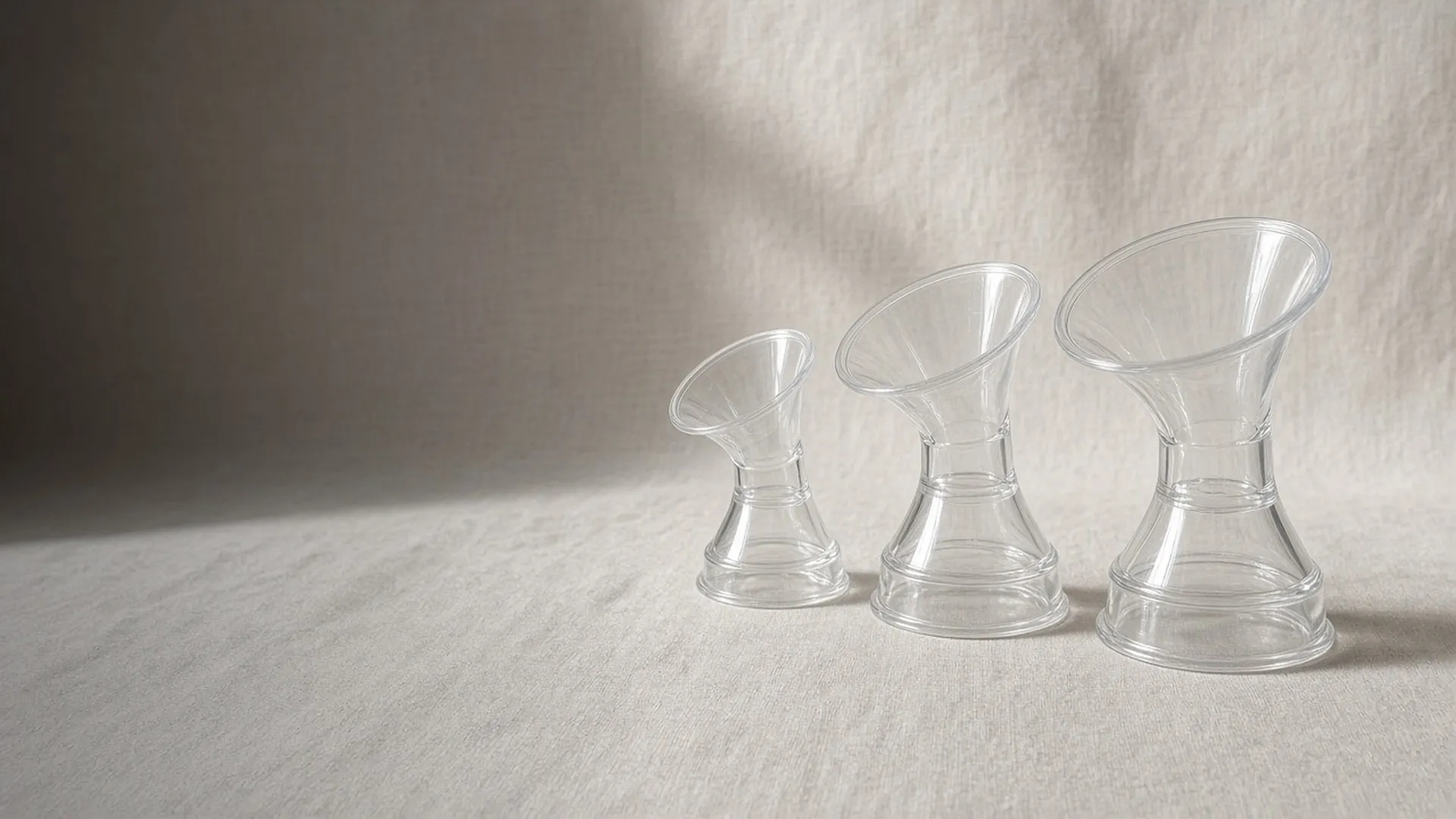
Breast pump flange fit, explained
What the flange is, and who can help you check the fit.
Disclosure: We may earn a commission if you buy through links on this page. It does not change our guidance. Affiliate Disclosure
What the flange is
The flange is the cone-shaped part that fits over the breast. The FDA calls it the breast shield and says it fits over the nipple and the circular area around it (the areola).
What the FDA says about fit
The FDA says to make sure the breast shield opening is the correct size for you, and that you should be able to center your nipple comfortably inside it. It says to adjust the shield gently until it feels comfortable without pinching, pulling, or irritating.
Sizes and makers
The FDA says many pumps are sold with one size of breast shield. It says to check the maker's website, before you buy, to see whether you can get a different size or texture that works with your pump.
Who can check the fit
We do not give measuring steps or size charts, and we are not lactation consultants. Fit is personal, so ask a lactation consultant, such as an International Board Certified Lactation Consultant (IBCLC), or your doctor or midwife. IBLCE, which awards the IBCLC credential, says IBCLCs work as members of the maternal-child health team and make appropriate referrals to other health professionals.
If pumping hurts
The FDA says pumping should not be painful, result in sore nipples, or cause bleeding. It says that if you are injured or have persistent pain or bleeding, contact your doctor, lactation consultant, or other health care professional.
Sources: FDA, Types of Breast Pumps (2018); FDA, Choosing a Breast Pump (2018); FDA, Using a Breast Pump (2018); FDA, Buying and Renting a Breast Pump (2021); FDA, Injury and Infection (2018); IBLCE, About IBLCE.
FAQ
General information only, not medical advice. For questions about pumping, breastfeeding, milk supply, or feeding your baby, talk to your doctor, midwife, or lactation consultant, or your baby's pediatrician. Follow the maker's instructions for your pump and its parts. The FDA says that if you are injured while using a breast pump or have pain, contact your health care provider. In an emergency, call 911.
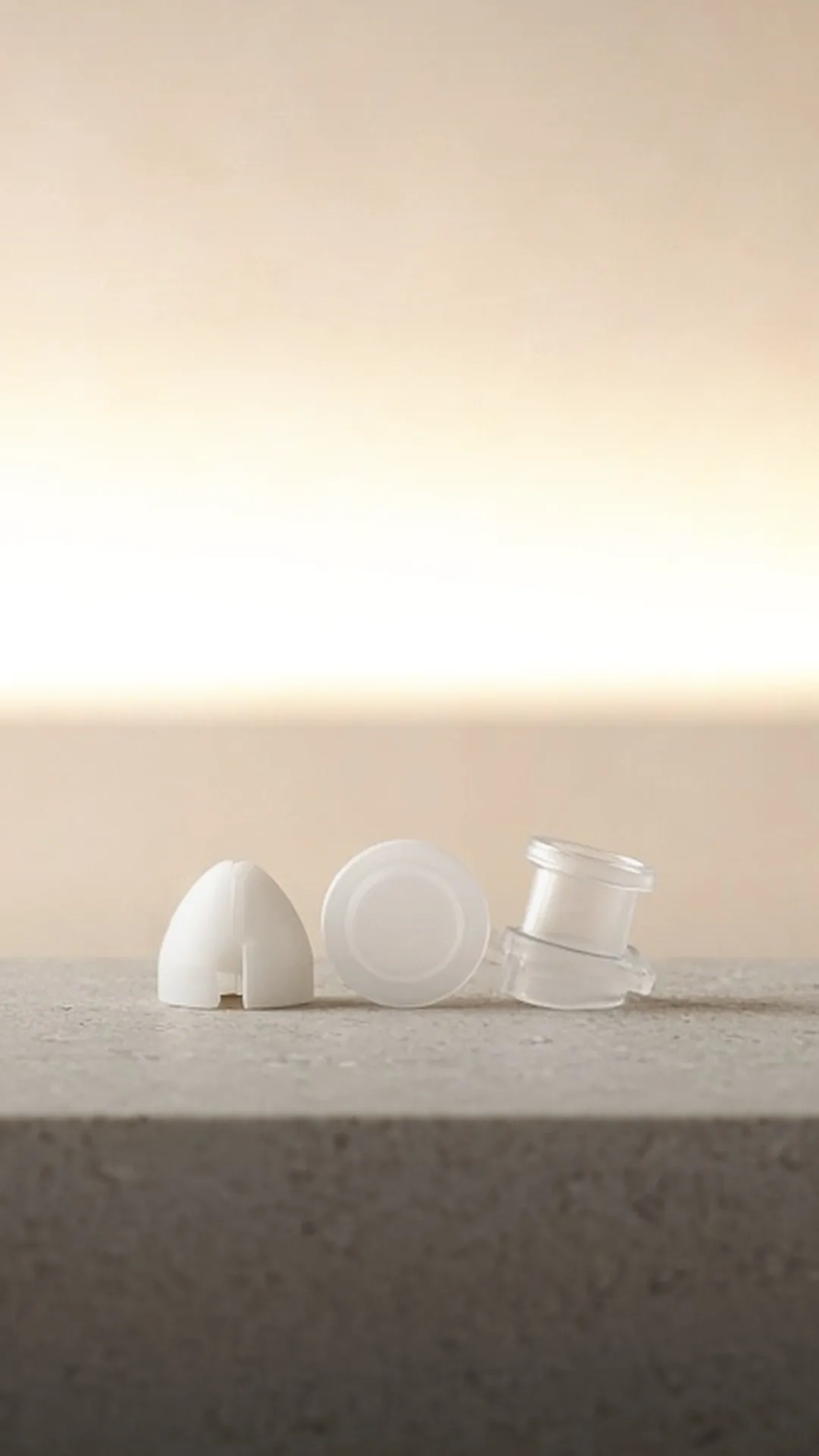
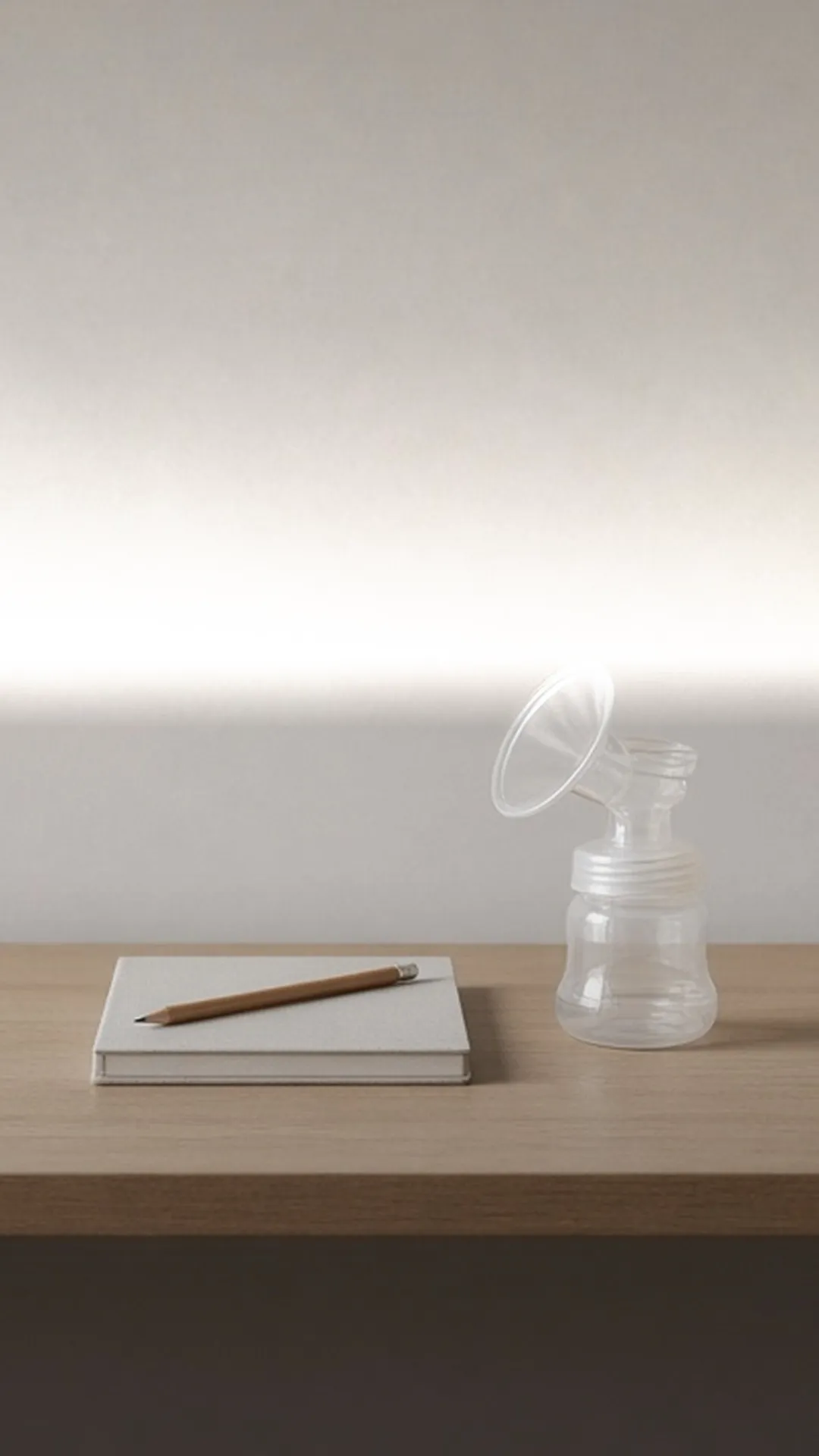
Next: pump parts
Shields, valves, tubing.
