
Renting a breast pump
Multi-user pumps, your own kit, and who to ask.
Disclosure: We may earn a commission if you buy through links on this page. It does not change our guidance. Affiliate Disclosure
Rent or buy
The FDA says renting is an alternative to buying. It says many hospitals, lactation consultants, and specialty medical supply stores rent breast pumps that are safe for multiple users.
Multi-user pumps only
The FDA says to rent or share from an authorized provider only if the pump is designed for multiple users. It says manual pumps, and powered pumps designed for single users, should never be rented or shared.
A new kit for each renter
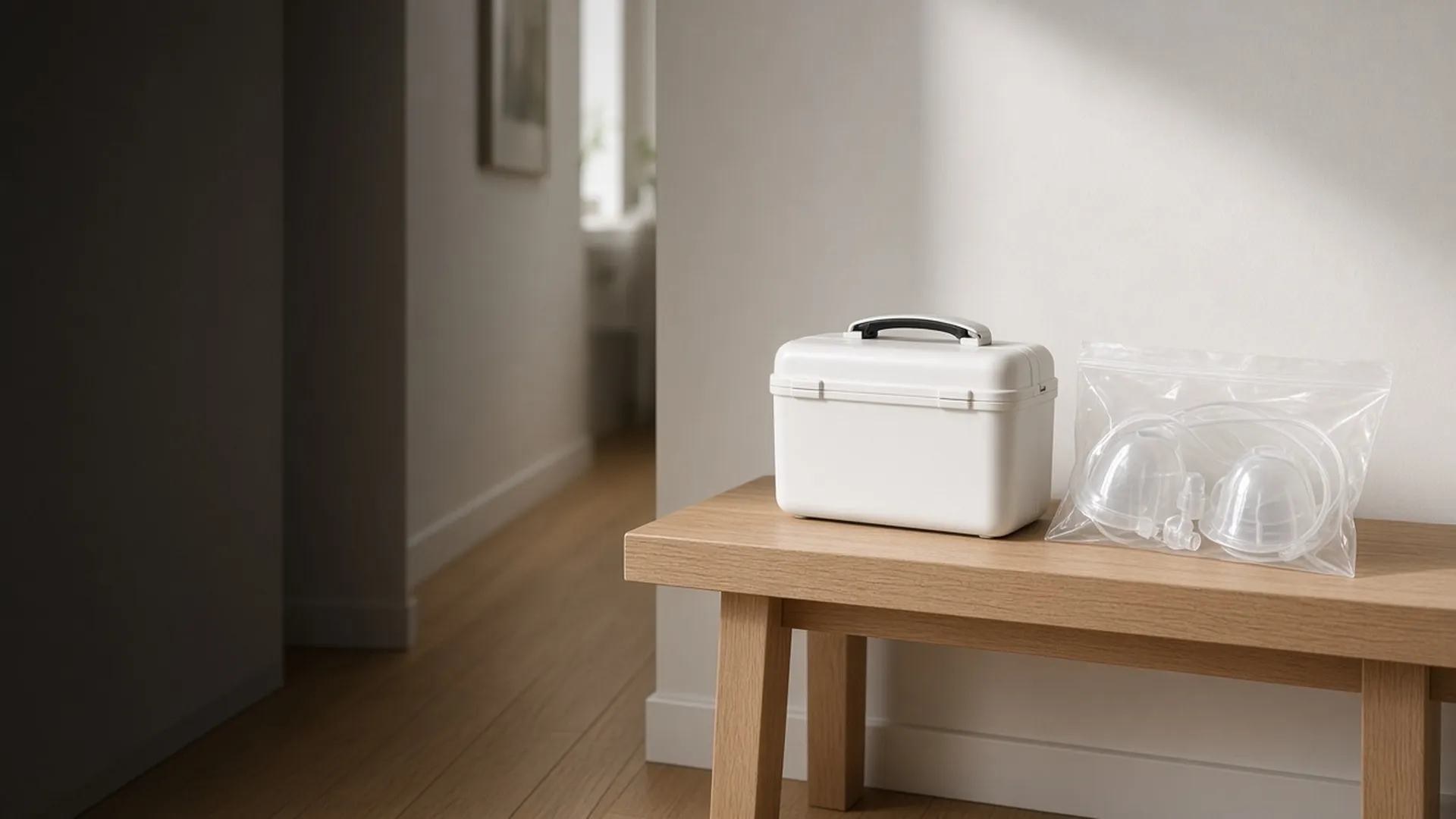
The FDA says each renter is required to buy a new accessories kit that includes breast shields and tubing. It says the kit typically includes the milk container, breast shield, and tubing.
Checking the source
The FDA says to ask a trusted health professional, such as your doctor, your baby's doctor, or a certified lactation consultant, for references. It also says to check with your local Better Business Bureau and the device maker to make sure the rental company is reputable and the pump is safe for multiple users.
Insurance and rentals
HealthCare.gov says the pump your plan covers may be either a rental unit or a new one you keep, and your plan may set the length of the rental.
Sources: FDA, Buying and Renting a Breast Pump (2021); FDA, What to Know When Buying or Using a Breast Pump (2023); HealthCare.gov, Breastfeeding benefits.
FAQ
General information only, not medical advice. For questions about pumping, breastfeeding, milk supply, or feeding your baby, talk to your doctor, midwife, or lactation consultant, or your baby's pediatrician. Follow the maker's instructions for your pump and its parts. The FDA says that if you are injured while using a breast pump or have pain, contact your health care provider. In an emergency, call 911.

Next: hospital-grade pumps
A term the FDA does not use.
