

Breast pumps and health insurance
What HealthCare.gov says plans must cover.
Disclosure: We may earn a commission if you buy through links on this page. It does not change our guidance. Affiliate Disclosure
What HealthCare.gov says
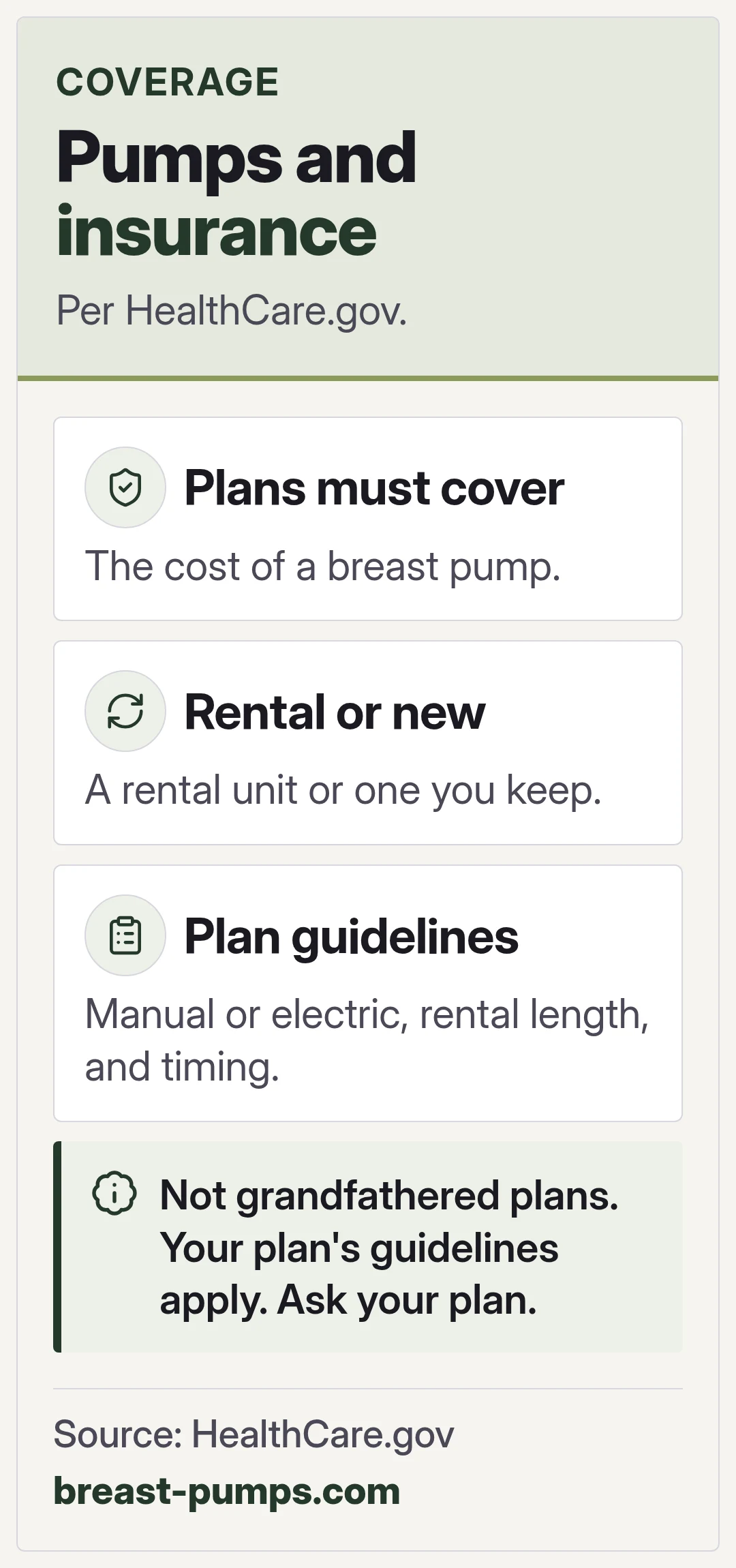
HealthCare.gov says: "Your health insurance plan must cover the cost of a breast pump. It may be either a rental unit or a new one you'll keep."
Which plans
HealthCare.gov says health insurance plans must provide breastfeeding support, counseling, and equipment for the duration of breastfeeding, and that these services may be provided before and after birth. It says: "This applies to Marketplace plans and all other health insurance plans, except for grandfathered plans."
Plan guidelines
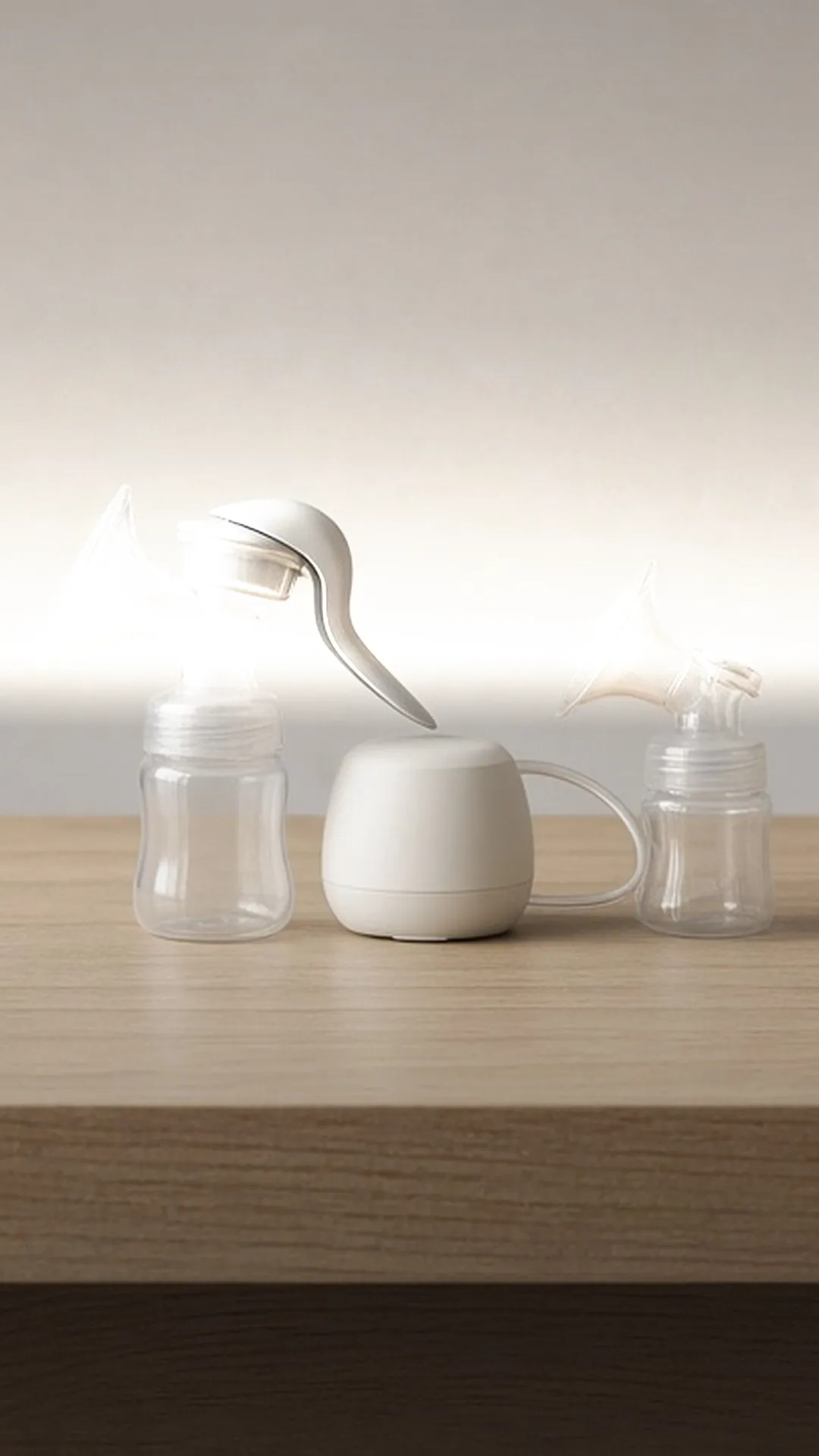
HealthCare.gov says: "Your plan may have guidelines on whether the covered pump is manual or electric, the length of the rental, and when you'll receive it (before or after birth)."
Your doctor's role
HealthCare.gov says: "Your insurance plan will often follow your doctor's recommendations on what's medically appropriate. Some insurance plans may require pre-authorization from your doctor."
At no cost?
HealthCare.gov says: "You may be able to get help with breastfeeding at no cost." What you pay, if anything, depends on your plan and its rules, such as the type of pump, the length of a rental, when you receive it, and whether your doctor must approve it first. We do not promise any reader a free pump. Ask your plan what it covers.
Other help
The FDA says some state health departments offer programs to help women buy or rent a breast pump, and some women may be eligible for help with supplies, such as a breast pump, through the WIC program. It says to contact your state health department or your state's WIC representative.
FAQ
General information only, not medical advice. For questions about pumping, breastfeeding, milk supply, or feeding your baby, talk to your doctor, midwife, or lactation consultant, or your baby's pediatrician. Follow the maker's instructions for your pump and its parts. The FDA says that if you are injured while using a breast pump or have pain, contact your health care provider. In an emergency, call 911.
Next: renting a pump
Multi-user pumps and your own kit.
