
Manual breast pumps, explained
How a hand pump works, and where it fits.
Disclosure: We may earn a commission if you buy through links on this page. It does not change our guidance. Affiliate Disclosure
How it works
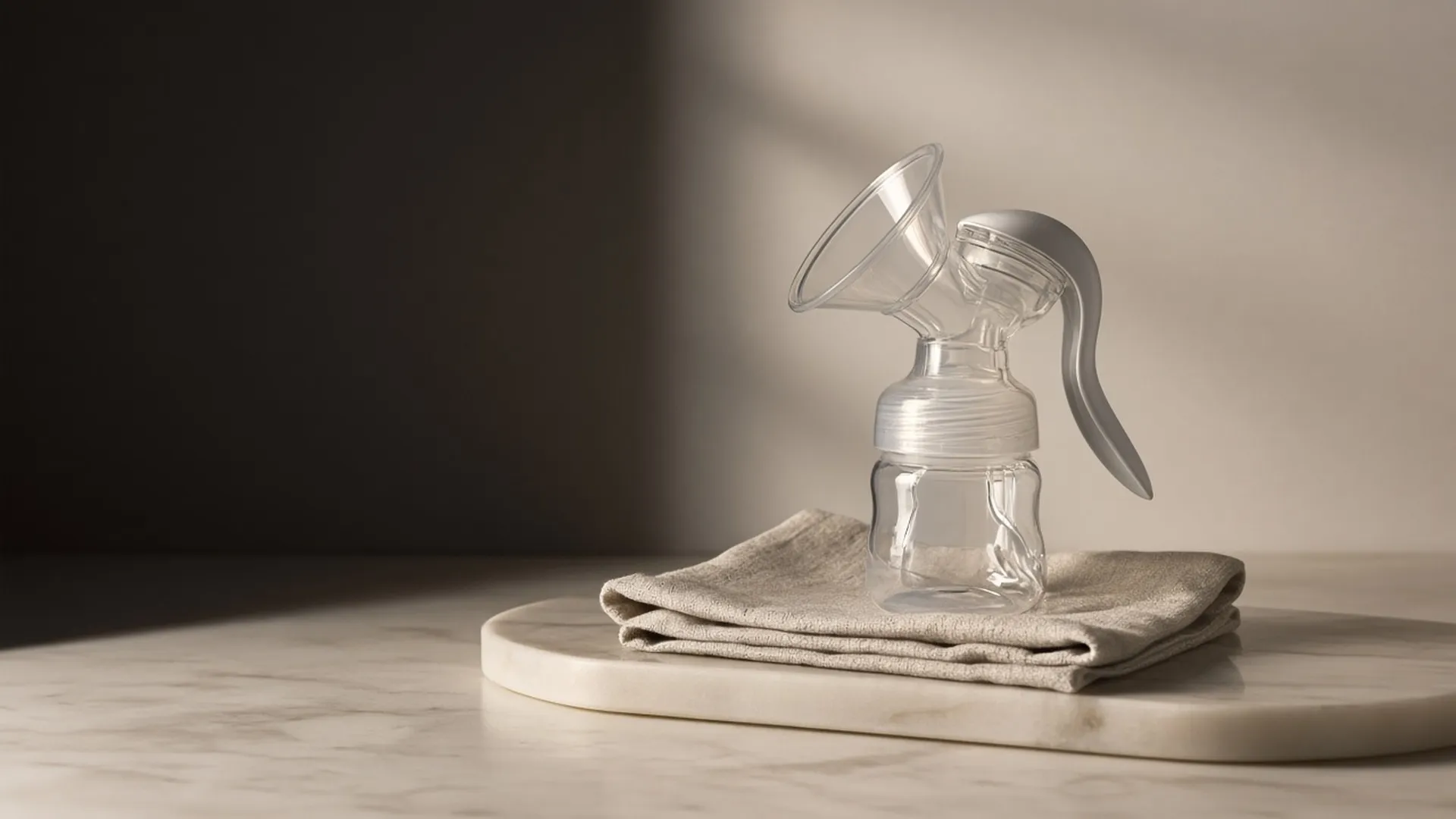
The FDA says that once the breast shield is in place, you squeeze a handle or lever to create suction and express milk, which collects in an attached container. It says some manual pumps use a small tube pumped in and out of a larger tube to create the vacuum.
Manual vs electric
A manual pump has no motor, battery, or cord. The FDA says manual and battery-powered pumps can be easy to transport and use in small spaces, while an electric pump needs an outlet and is larger and heavier.
A back-up in a power cut
The FDA says that women who use powered pumps should be prepared for emergencies when electricity or extra batteries may not be available. It says extra supplies and a back-up method, such as a manual pump, may help.
One user only
The FDA says manual breast pumps are designed for one user only and should never be rented or shared.
Bulb pumps
The FDA describes a bicycle horn pump, a rubber ball attached to a breast shield. It says some experts discourage these pumps because they may be difficult to clean and dry.
Sources: FDA, Types of Breast Pumps (2018); FDA, What to Know When Buying or Using a Breast Pump (2023); FDA, Choosing a Breast Pump (2018); eCFR, 21 CFR 884.5150, Nonpowered breast pump.
FAQ
General information only, not medical advice. For questions about pumping, breastfeeding, milk supply, or feeding your baby, talk to your doctor, midwife, or lactation consultant, or your baby's pediatrician. Follow the maker's instructions for your pump and its parts. The FDA says that if you are injured while using a breast pump or have pain, contact your health care provider. In an emergency, call 911.

Next: electric pumps
Battery or cord, single or double.
